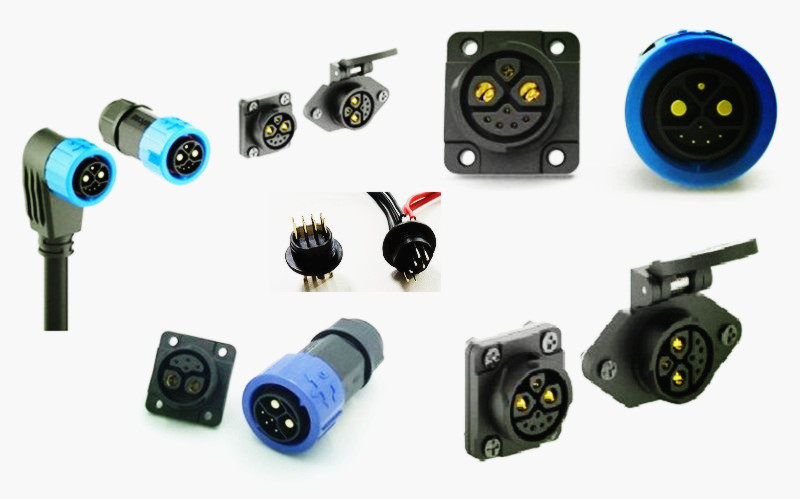
UL 94 ratings come from a standardized lab method where specimens are prepared and tested the same way. Within that system, V-0 is the most demanding of the vertical burn classifications. The practical takeaway for design review is this: the material self-extinguishes quickly after a small flame is removed, and no burning drips reach the cotton below. That behavior matters in a battery box, where ignition sources already exist—busbars, fuses, venting gas from a cell—and a small plastic housing should avoid becoming an additional fuel source.
1. Vertical Burn Testing Explains the UL94V-0 Rating
In the UL 94 vertical burn test, a bar-shaped specimen is clamped vertically and a flame is applied to the bottom edge for 10 seconds, then removed. If the specimen self-extinguishes within 10 seconds, the flame is applied a second time and the afterflame time is recorded again. To reach V-0, five specimens must show a total afterflame time of no more than 50 seconds, no individual specimen may exceed 30 seconds after the second flame removal, and no specimen may drip burning material that ignites cotton placed below it. The specimen also must not burn up to the holding clamp. V-1 and V-2 use the same test but allow longer afterflame times, and V-2 permits dripping that ignites the cotton. V-0 therefore describes how one set of prepared specimens behaves vertically, at a given thickness, for a specific material formulation. Thickness matters because a thin wall heats through faster and can burn through where a thicker wall would hold.
2. System Fire Testing Adds Battery Box Conditions Beyond the Material Rating
A battery box leaves the buyer to request small plastic bars. It contains a connector housing sitting near cells, sharing a cavity with metal busbars, exposed to heat from the BMS, contactors, and fuses, and exposed to hot vented gas if a cell goes into thermal runaway. System-level fire testing evaluates those conditions together. UL 1973, for example, sets safety requirements for battery packs used in light electric vehicles and energy storage systems, and it evaluates the pack as a system under electrical, mechanical, and thermal stress. UL94V-0 is one material condition; pack-level safety also depends on housing placement, surrounding materials, airflow, and vent paths. Use the material rating as a requirement the supplier must meet, then review how the housing sits, what surrounds it, and how the enclosure manages a local arc event.

 +86-15817275200