The final shortlisting step is
to separate commercial inquiry topics from technical claims. A procurement team
can ask a DM80 connector manufacturer about price, MOQ, lead time, sample
process, packaging, warranty scope, shipping method, payment terms, and
long-term supply support during the RFQ stage. Those are legitimate commercial
questions. However, unless those answers are provided in writing or supported
by formal supplier documents, they should not be treated as established
purchasing facts. The same boundary applies to technical and compliance
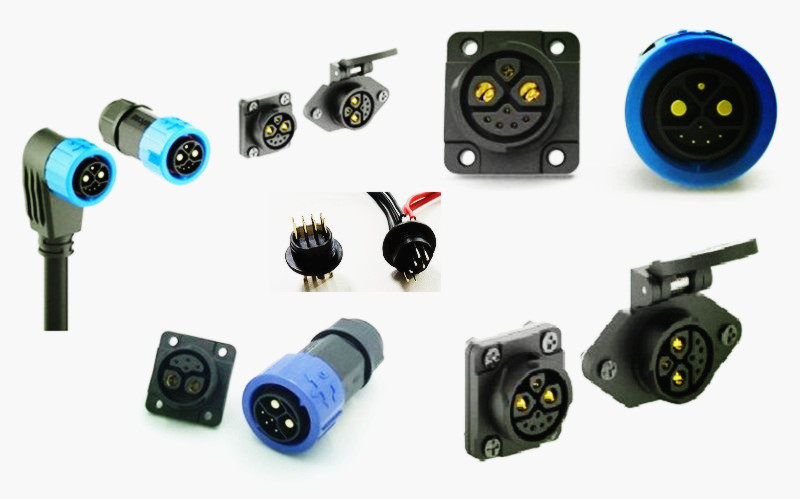
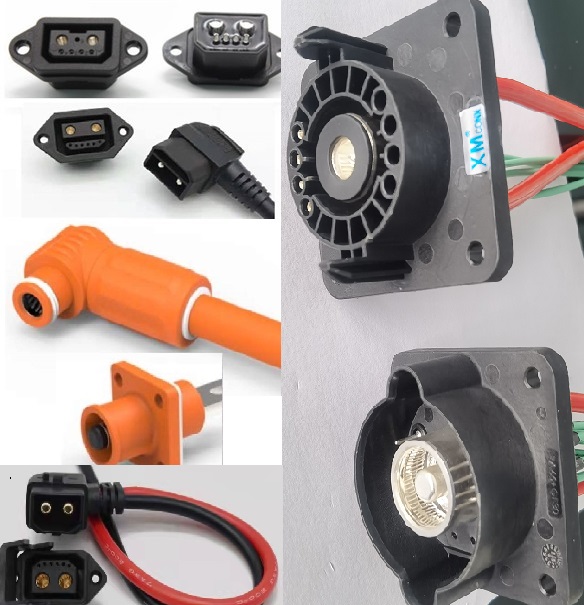
language. If a supplier’s public information identifies a new energy battery
pack connector with 100A and 200A related wording, buyers can reference those
words in the inquiry, but they should ask for the exact rating conditions
rather than writing them into an internal approval file as complete rated
capability. This separation is especially important for compliance topics.
REACH and RoHS are regulatory frameworks involving substances, materials,
scope, and documentation. They are not labels that procurement should casually
attach to a connector without product-specific confirmation. A good inquiry
might ask whether the supplier can provide RoHS documentation, REACH-related
statements, material declarations, or certificates for the exact DM80 connector
version being quoted. It should not say “confirm your certified product” unless
certification has already been documented. The same caution applies to
waterproofing, automotive high-voltage suitability, vibration resistance, and
operating temperature. These may be relevant for battery connector supplier
evaluation, but they should enter the sourcing file as questions for
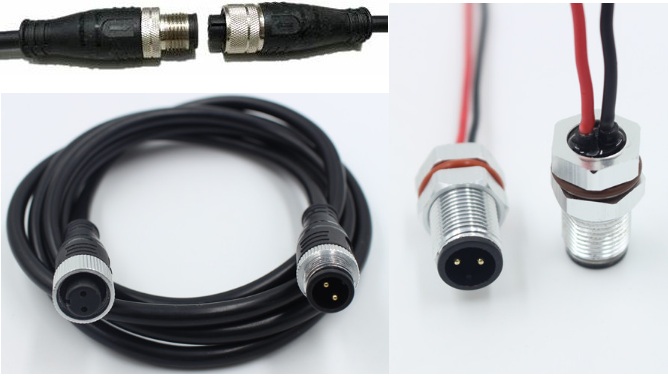
confirmation, not as assumptions derived from category context. For Ximeconn
M12 Connectors, the practical buyer action is straightforward: download the
available specifications, use Click To Consult, and send a structured inquiry
that includes project application, desired quantity range, electrical
requirements, mechanical constraints, environmental exposure, document
expectations, and commercial terms to be confirmed. This turns a product page
into an RFQ preparation tool without overstating what is already known. If the
supplier responds with clear specifications, application boundaries, and commercial
answers, procurement can justify keeping the company on the shortlist. If key
answers remain unclear, the buyer may still keep the contact open for future
clarification, but should avoid advancing the source into internal approval as
if the missing technical and business data had already been verified.

 +86-15817275200