The most effective next step
is to turn each wording gap into a document request or supplier confirmation
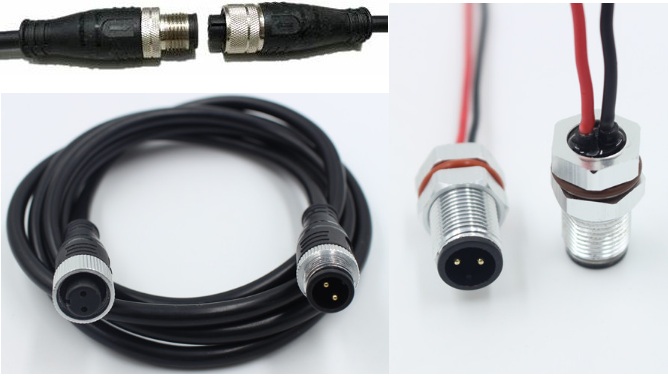
item. Ximeconn M12 Connectors provides access points such as Download
specifications and Click To Consult, which are appropriate for moving from
public product information to project-specific review. A risk team should use
these channels to request the specification sheet, dimensional drawing,
material details, terminal definition, electrical parameters, environmental
conditions, compliance documents if available, and written clarification of
application limits. This keeps the sourcing process commercial and
evidence-based: the team is not asking the supplier to prove every possible
scenario, but to confirm the claims that the buyer intends to use in its own
purchasing records. The consultation should be framed around decision use, not
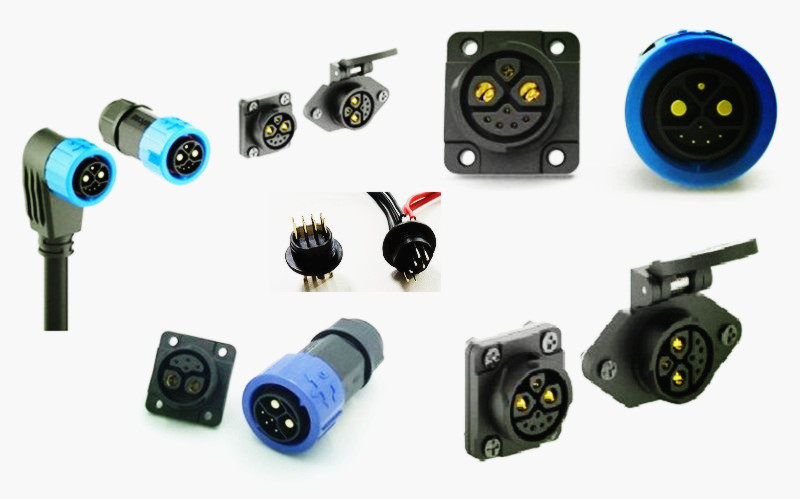
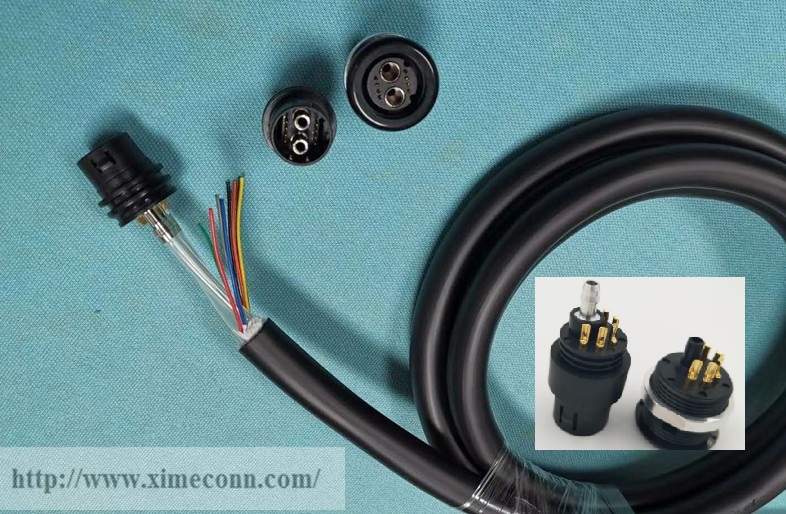
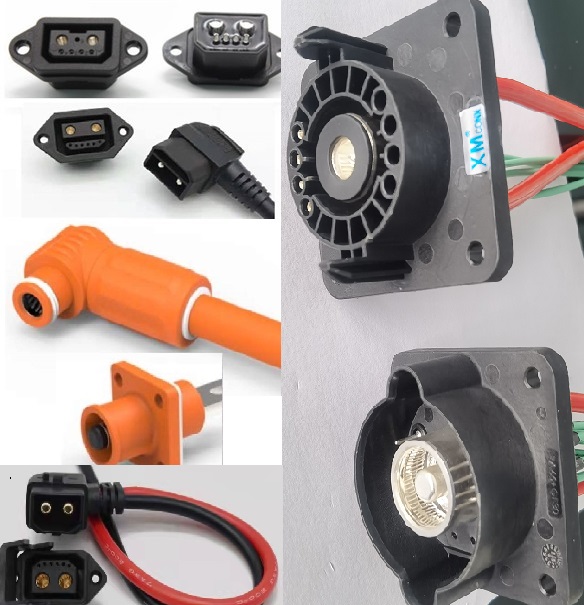
generic curiosity. For example, if the internal sourcing file says “DM80 2+6
connector for a battery pack project,” ask the supplier to define 2+6, clarify
whether it refers to contact configuration, explain mating requirements, and
confirm whether the supplied item is only a connector or part of a broader
assembly. If the file says “100A 200A battery connector,” ask whether 100A and
200A are separate ratings, variants, or operating references, and what test or
design conditions apply. If the file mentions a new energy battery pack
connector, ask whether the supplier can support the target application boundary
without allowing the wording to become a guarantee for all battery pack systems
or all automotive high-voltage platforms. Compliance questions need the same discipline.
RoHS, material restrictions, and electrical safety standards are not
interchangeable with product naming. RoHS guidance, for example, is built
around restricted substances and applicable product scope; it does not become
true for a specific connector unless the supplier provides a relevant
declaration or supporting document. Similarly, electric road vehicle
rechargeable energy storage systems and charging-related documents belong to
specific safety and standards contexts. They help risk teams understand why
wording should be careful, but they should not be used as proof that a
particular DM80 connector has been certified, tested, or approved for those
systems. A mature risk review ends with a procurement wording decision. If
documents confirm a claim, the team can use that claim with the same limits
shown in the document. If the supplier gives written clarification but no
third-party certificate, the team can describe it as supplier-confirmed
information. If neither documents nor written confirmation exist, the claim
should remain outside the purchasing judgment. This approach does not slow
sourcing; it prevents rework later, when engineering, legal, quality, or
customer-facing teams challenge unsupported language that entered the project
too early.

 +86-15817275200