Preparing Commercial Questions for a Connector Manufacturer
Time:2026-10-15 11:09:15 Hits: 11
Commercial terms
belong in writing before a large order because they are what the purchase order
will be measured against later. Minimum order quantity, price basis, and lead
time are the three most common causes of a stalled project. Ask for the MOQ in
pieces and per part number, since a 100A option and a 200A option may not share
the same threshold. Price basis should state currency, unit, packaging, and
Incoterms, plus whether tooling or setup is charged once or amortized into the
unit price. Lead time should be split into sample lead time and mass-production
lead time, because a fast sample says little about a 10,000-piece run. Warranty
scope, change control, and documentation belong in the same thread. Ask what
the warranty covers—workmanship, contact resistance drift, housing damage in
transit—and how a claim is handled. Ask how changes are communicated, since a
resin swap, a terminal plating change, or a tooling repair can alter
performance. A written change-notice clause keeps the pack builder informed.
Documentation is worth naming item by item: the technical datasheet with
current rating and pin assignment, a RoHS declaration, material information for
the housing, and dimensional inspection records. A manufacturer that makes a
performance claim should be able to provide the document behind it. The DM80
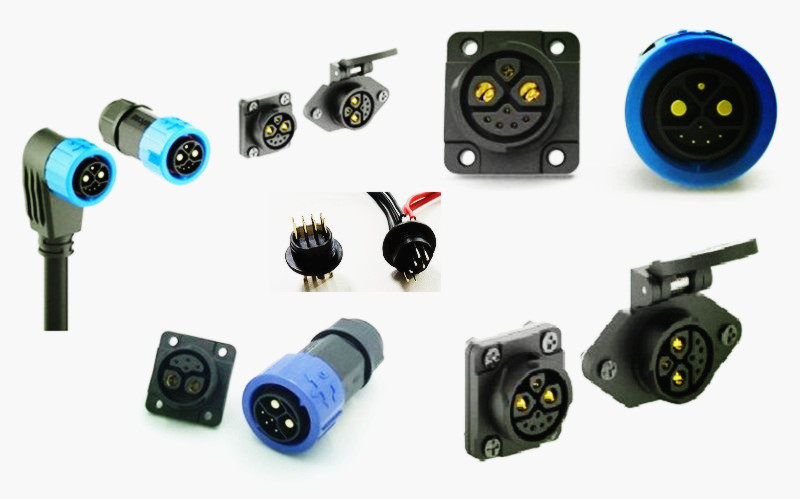
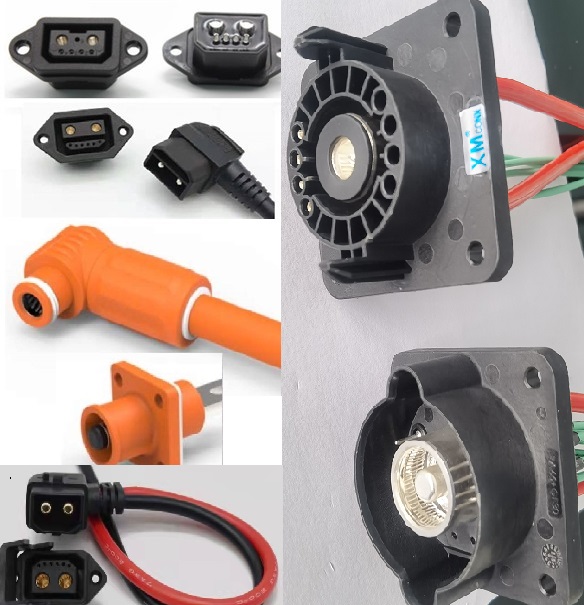
details cover 2+6 pins, 100A and 200A options, a thermoplastic housing, a
UL94V-0 material rating, and battery pack use. MOQ, price, lead time,
inventory, warranty, and certificates require a confirmed quote or supplier
document, so put them on the list you send out.

 +86-15817275200