Why Battery Pack Connectors Use Thermoplastic Housings
Time:2026-10-24 11:05:36 Hits: 7
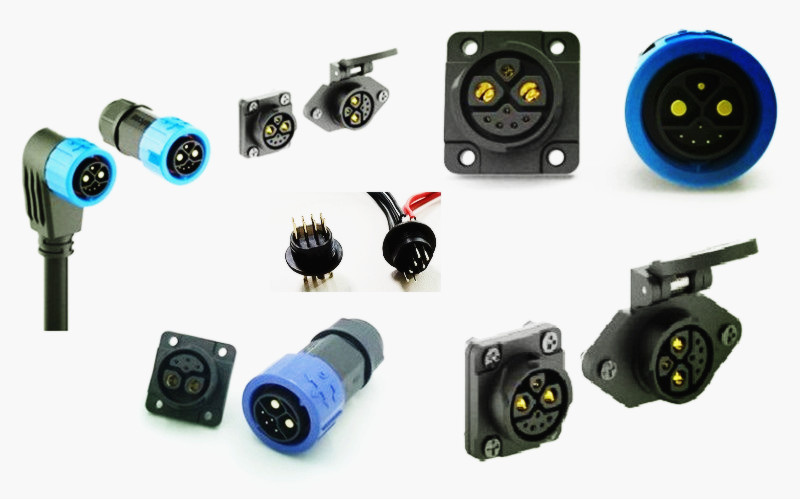
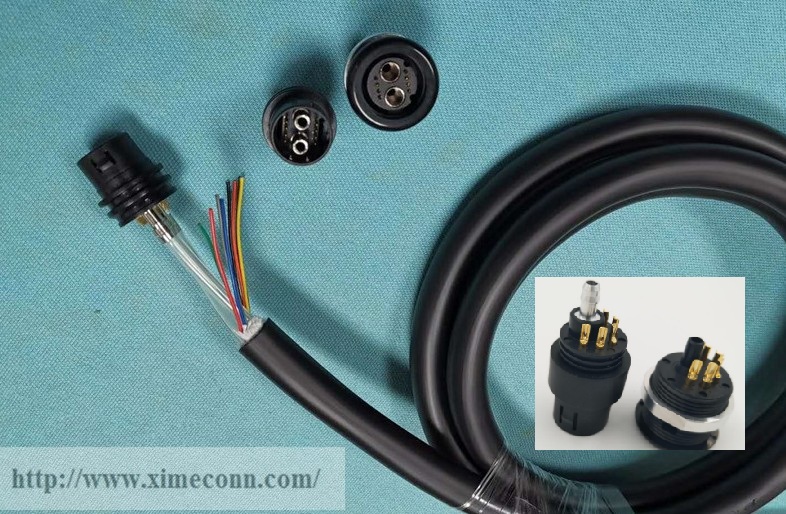
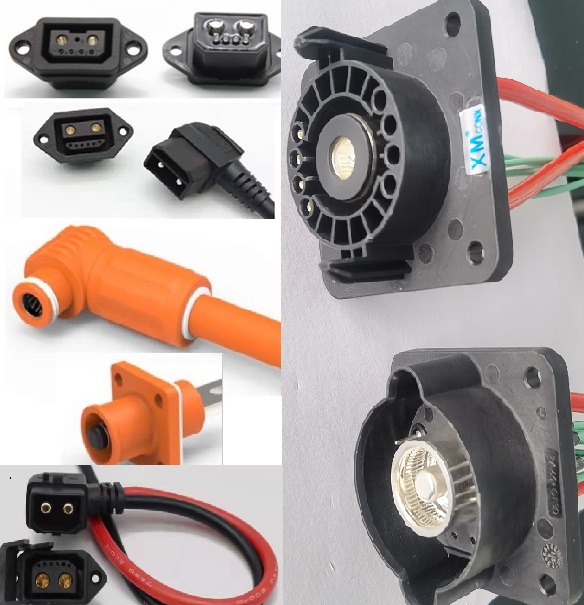
Battery pack connectors live in a tough environment. They sit inside or near a battery enclosure, where heat, vibration, current, and mechanical stress are all present. The housing has to hold the contacts in precise positions, insulate live parts, resist chemicals and moisture, and survive years of thermal cycling. Thermoplastic materials are popular for this job because they can be molded into complex shapes with tight tolerances. A single molded housing can include locking features, keying, mounting points, and internal barriers. That reduces the number of separate parts and makes assembly more consistent. Another reason is flame performance. Many thermoplastics can be formulated with flame retardants or engineered to self-extinguish. UL94V-0 is one of the most common ratings specified for plastic parts in electrical equipment. In a battery pack, the connector housing is not the main fire barrier, but it is part of the overall material strategy. If a small ignition event occurs near a connector, a housing that resists burning can help limit the spread of flame and reduce the chance of flaming drips. UL 1973, the safety standard for battery packs used in light electric vehicles and stationary energy storage, treats battery pack safety as a system-level concern. That context matters: the housing material is one layer, and the complete pack design includes cells, busbars, fuses, vents, enclosure materials, and thermal management. Thermoplastic housings also support the practical side of connector manufacturing. They can be injection molded at high volume, which keeps production cost predictable for a battery pack connector manufacturer. They can be colored, laser-marked, and molded with different wall thicknesses. For electrical technicians, the housing is often the first thing they touch and inspect. A rigid, well-formed thermoplastic body usually signals a controlled molding process, while warping, flash, or brittle edges can point to material or process problems. None of this replaces the need to check the full connector specification, but it explains why thermoplastic has become a default housing choice in new energy battery pack connectors.

 +86-15817275200