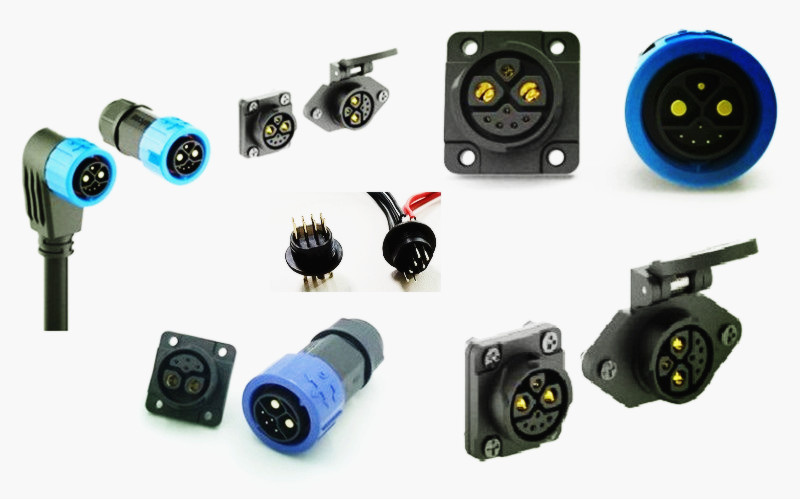
Temperature cycling matters because it turns a static assembly into a moving one. Expansion differences between copper alloy, PA9T, FR4, and solder produce displacement; that displacement lands on insulation interfaces, solder joints, and contact retention; and the resulting heat and resistance changes feed into the next cycle. Designers who can explain that chain can look at a wide-temperature range and identify the interfaces that need margin, rather than treating the specification as a single figure to file away. The published figures for this 40A, 32-pin board-to-board waterproof connector — the -20°C to +105°C operating band and the FR4 and PA9T insert — provide a concrete starting point for that reading. The next useful action is to match those figures to the actual thermal endpoints, then request the specification sheet or send application parameters for an engineering review.
FAQ
Q: How does repeated temperature cycling affect a board-to-board connector?
A: Each cycle expands and contracts the copper alloy pins, the PA9T and FR4 insert, the solder, and the PCB at different rates. That mismatch moves the pin slightly inside its bore, flexes the solder joint, and varies the grip inside the mating socket. Over many cycles these small movements accumulate as changes in retention force and joint condition, which is why dimensional stability and contact retention belong in the same thermal review.
Q: Why can a wide temperature range stress solder joints and pin contacts?
A: A wider range produces a larger total dimensional change in each material and a larger difference between materials. At the joint, the pin and the board expand on separate curves, so every swing bends the connection. At the contact, bore size and normal force shift with temperature, which changes how firmly the pin is held and how much heat builds up under a 40A load.
Q: Does a -20°C to +105°C rating tell you how many cycles a connector will last?
A: The -20°C to +105°C figure describes the operating band the connector is rated for, while cycle endurance comes from cycling test data on the specific assembly. That test data depends on the swing profile, the temperature difference per cycle, dwell time, and mounting and load conditions. The operating range identifies the endpoint conditions; the qualification record carries the cycle result.
Sources / References
IEC 60068-2-66:1994
IEC 60068-2-45:1980/AMD1:1993
IEEE SA - IEEE 1156.1
Related Examples
PCBA connector 32pins board to board waterproof connector with 40A power supply

 +86-15817275200