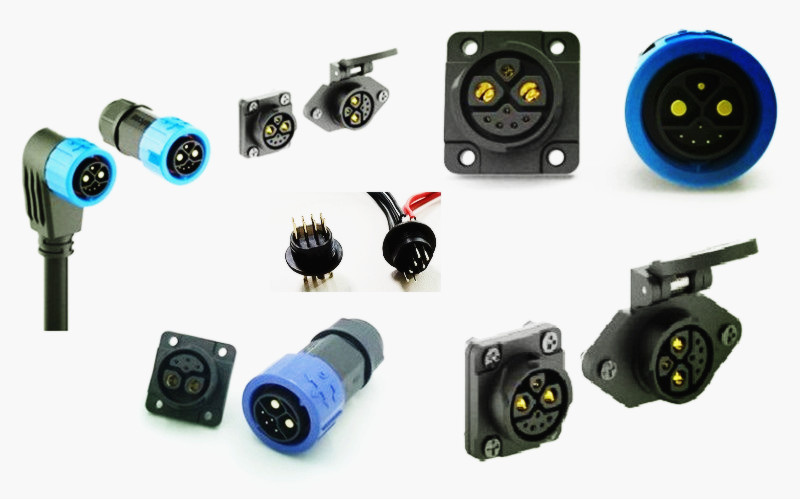
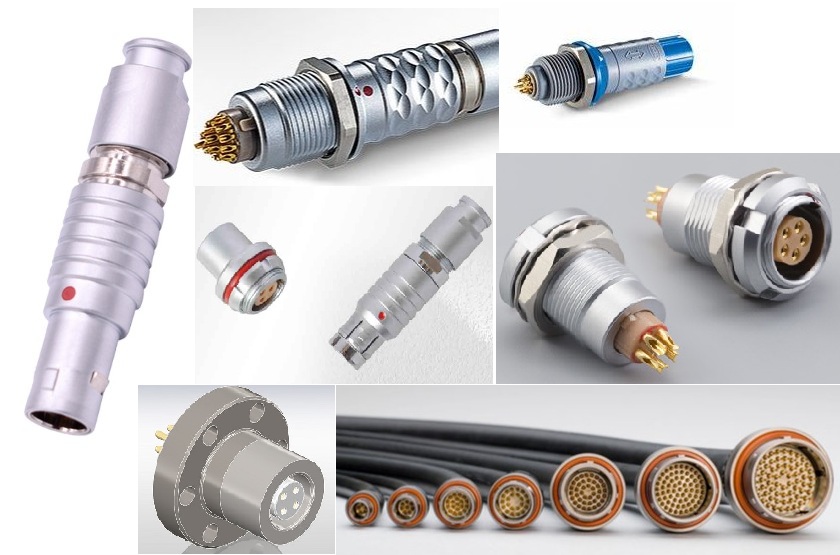
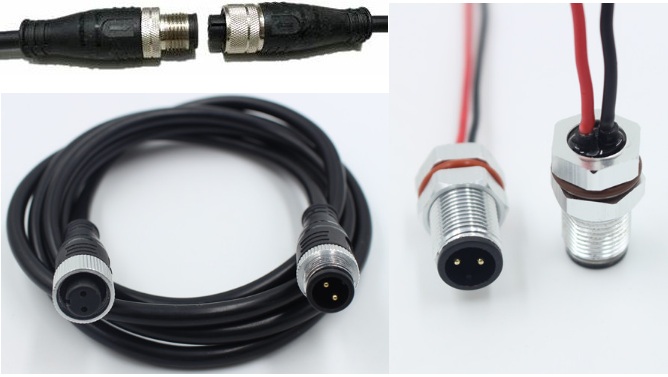
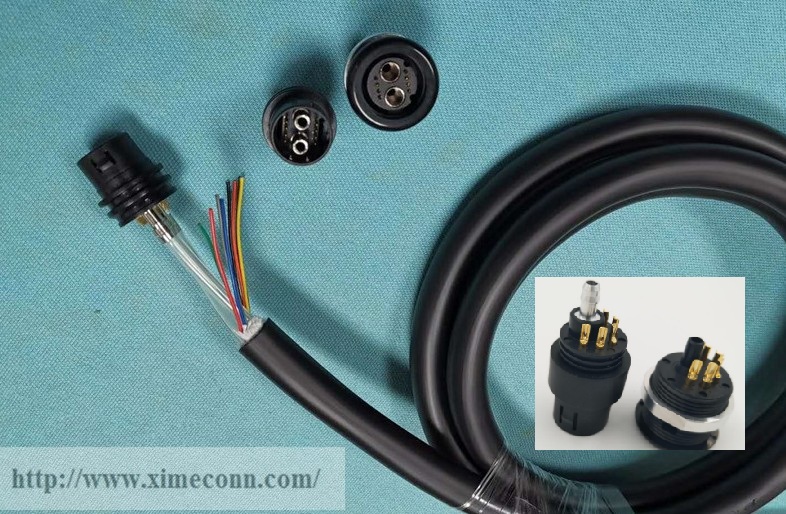
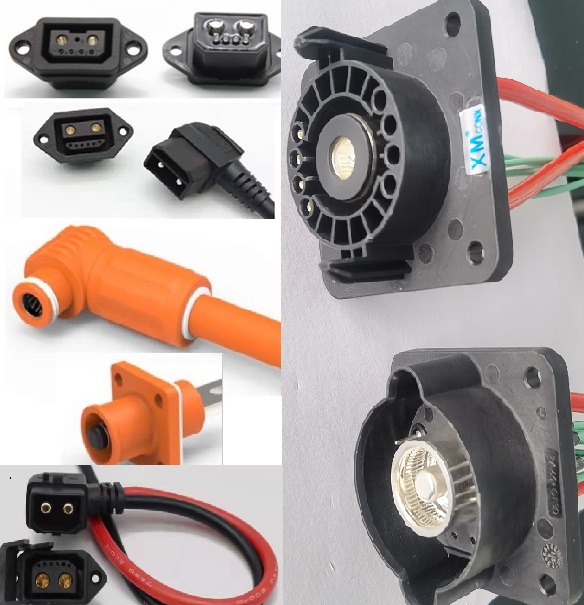
Sealing in a compact connector happens where two surfaces meet. The mated face has to compress whatever sealing element the design uses evenly around its whole perimeter, and that even compression requires flatness, controlled mating force, and a housing stiff enough not to bow when the pair is pulled together. The three items below cover the main places where that work happens and what each one contributes to keeping contamination out.
• Seal compression at the mated face. A gasket or elastomer ring works only when it is squeezed within its elastic range along the entire sealing line. Uneven compression from a tilted or over-stressed housing leaves a low-pressure zone that water can pass. Flat mating surfaces and predictable insertion force matter more than the nominal thickness of the seal.
• Housing integration around the insert. The boundary between insert and housing is a second sealing line that is easy to overlook. Continuous contact there stops moisture from traveling behind the insert toward the contacts. The insert of the Ximeconn s445 connector, made from FR4 and PA9T, sits inside a stated -20°C to +105°C range, and that material stability keeps the contact line from loosening as parts grow and shrink.
• PCB-side contamination paths. Below the connector, flux residue, dust, and moisture together form a conductive film that can bridge the narrow spacing between solder tails. Cleaning, conformal coating, and a housing that shields the solder area all reduce that risk, which is why sealing work continues past the connector body and into board-level process control.
Verification matters as much as design intent. Visual inspection and dimensional checks of the mated pair, taken before and after environmental testing, show whether sealing surfaces have shifted or lost compression; IEC 60512-16-8 describes the inspection background that supports this kind of check. IEC 60512-20-3 covers contact behaviour in corrosive industrial atmospheres, the condition that makes a stable seal worth the design effort in the first place. In production, a simple witness line on the compressed seal tells an assembler whether the housing closed evenly across the full perimeter, and a stack-height check catches the tilted mating that produces leak paths in the field

 +86-15817275200