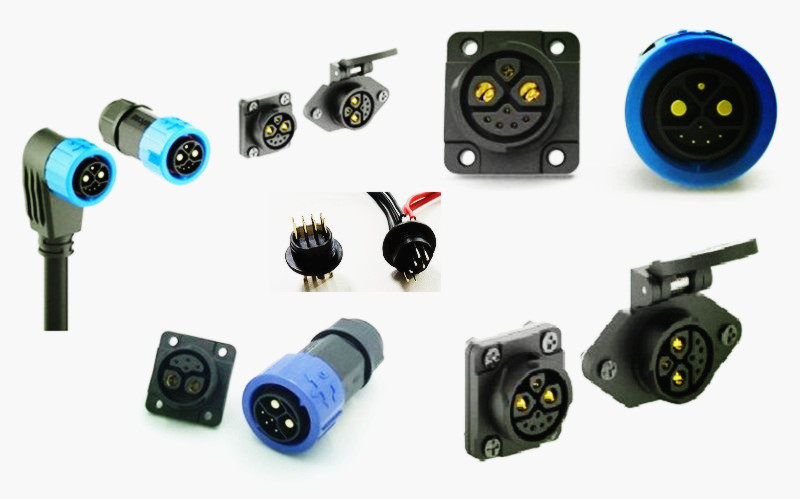
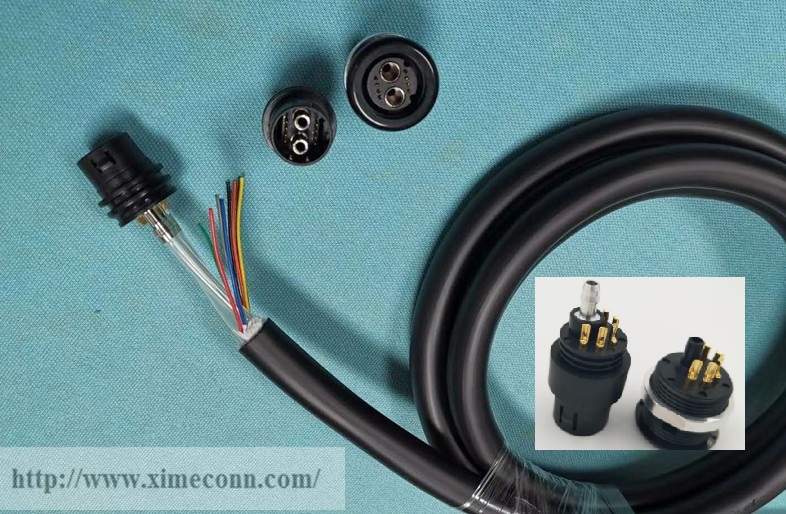
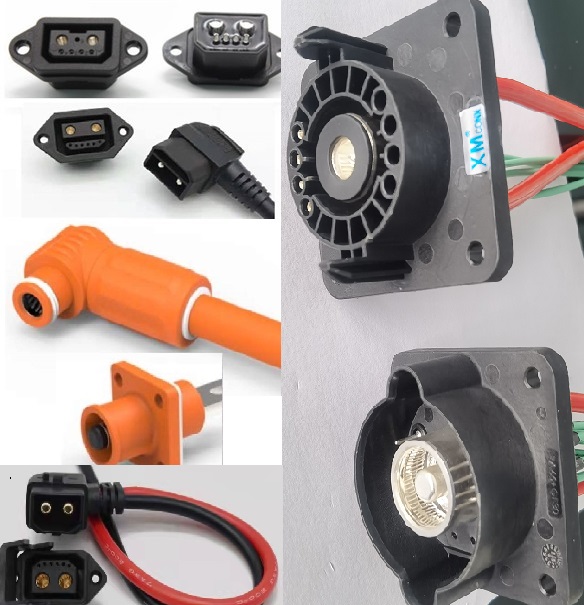
A connector never carries current by itself. The rating is a property of the whole current path: contact, terminal, crimp or bolted joint, conductor, and surrounding air. Move to a smaller wire gauge and the conductor becomes the limiting element. A poor crimp adds resistance at the joint, which shows up as local heating the connector's derating curve did not account for. A tight bend radius, a cable bundle that traps heat, or limited airflow can pull the practical rating below the published number. That is why two projects using the same 100A connector can end up with different thermal results. On the 200A side, the logic reverses. A 200A connector paired with an undersized cable still runs hot, so extra ampacity buys less than expected. A well-designed 100A interface with generous conductor size, clean terminations, and open airflow holds its rating in a pack that never approaches the continuous limit. UL 1973 sets the safety context for battery packs used in light electric vehicles and energy storage systems, and the thermal behavior of every interface inside the pack contributes to that overall picture. For design work, model the full current path rather than the connector alone. Ximeconn M12 Connectors offers the DM80 as a 100A and 200A battery pack connector for new energy vehicle power battery boxes and battery packs. Matching wire gauge, termination method, and installation clearance details come through the datasheet or a direct RFQ. Working voltage, IP rating, contact plating, and cycle life require datasheet or RFQ confirmation before design freeze or purchase.

 +86-15817275200