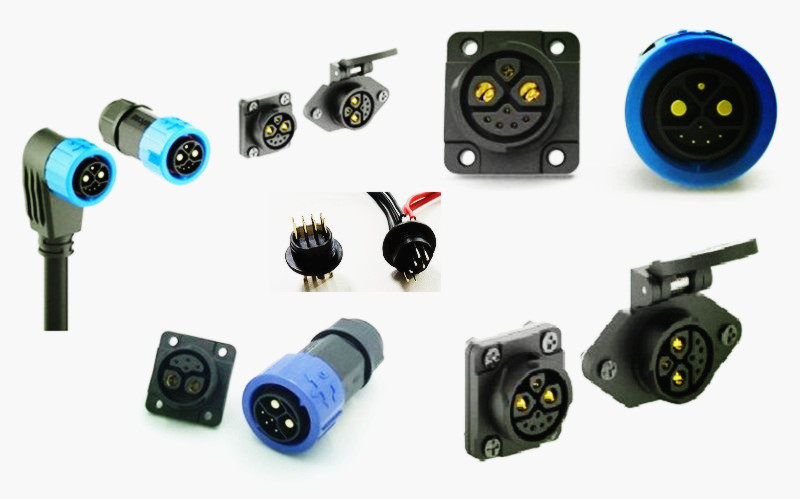
Choosing between a 100A and a 200A battery pack connector is ultimately a thermal question. Take the continuous current, add the peak duty, and derate for the hottest ambient the pack will see. If the resulting margin on a 100A part feels thin, a 200A part is the calmer choice. If 100A holds up with real conductor sizes and realistic enclosure temperatures, choosing 100A from the start saves housing space, terminal cost, and harness weight. Either way, the 2+6 pin layout, wire gauge, termination quality, and installation clearance all shape the final answer. For a current interface sizing check, send the continuous current, peak profile, wire gauge, and mounting location to a battery pack connector manufacturer and ask for a derating review against those conditions. Start with the DM80 datasheet, or submit drawings and current requirements for an RFQ.
FAQ
Q:How do I choose between a 100A and 200A battery pack connector?
A:Start with the continuous current your pack actually carries, then check the peak duty and the hottest ambient temperature inside the enclosure. If continuous current sits comfortably below 100A and the local air stays moderate, a 100A connector usually gives enough margin. If continuous current approaches 100A, peaks repeat often, or the surrounding air runs hot, a 200A option provides more thermal headroom. Confirm the wire gauge and termination plan before you lock the choice, because those two factors can move the usable rating more than the label number suggests.
Q:What makes a 200A battery connector necessary instead of a 100A option?
A:A 200A part becomes necessary when the thermal math leaves too little margin on a 100A part. That happens with sustained loads near 100A, frequent peak events, high ambient temperature inside the battery box, or a design that needs room for a future power upgrade without changing the enclosure. A 200A option also provides more thermal margin at the same load. If your continuous current is well under 100A and airflow around the interface is good, a 100A part is often the smarter fit.
Q:Which temperature, wire, and termination details should I confirm before selecting a 100A or 200A rating?
A:Confirm four things: the maximum ambient temperature inside the enclosure, the continuous and peak current profile, the conductor size and wire gauge you plan to use, and the termination method for both power and signal contacts. Also confirm the installation clearance around the connector and whether the cable bundle traps heat near the interface. These details decide the real derated current; compare the full current path, not just the amp label.
Sources / References
IEC 60512-12-6:1996
IEC 60684-3-406:2003
UL 1973 - UL Standards & Engagement
Related Examples
DM80 official product information

 +86-15817275200