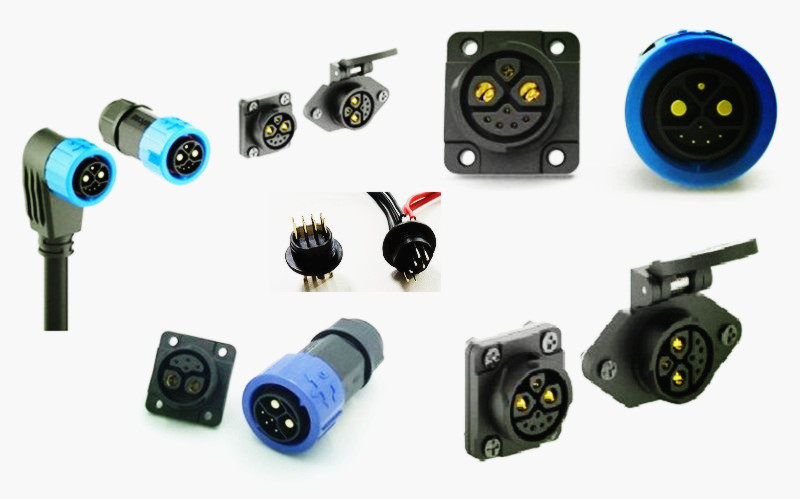
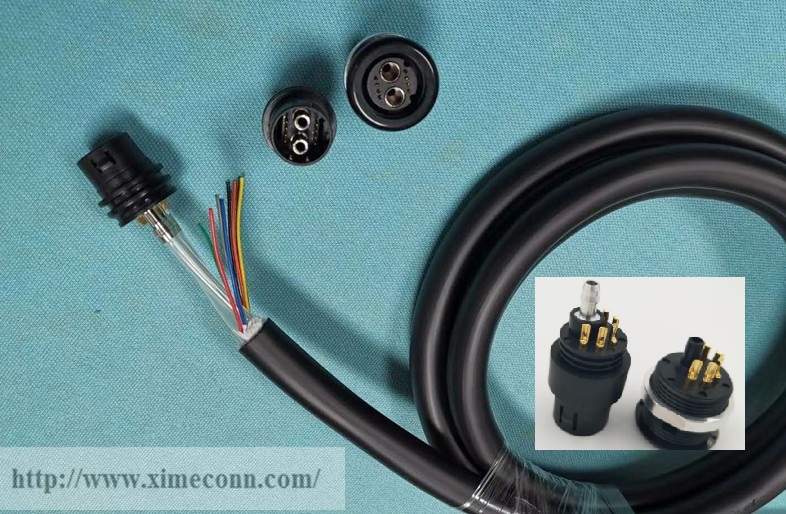
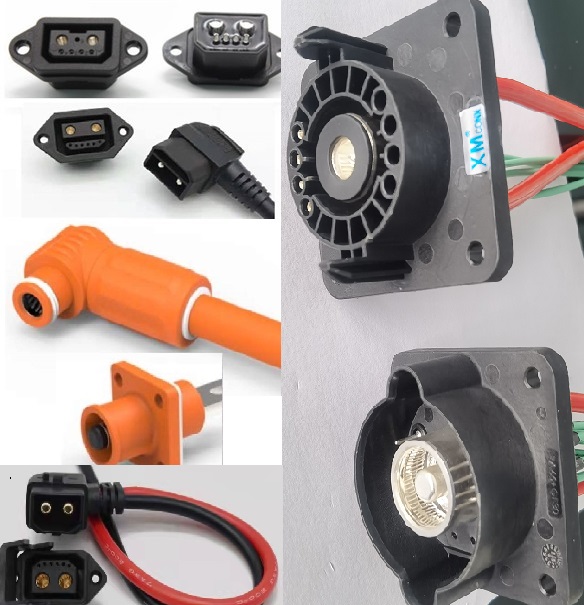
When high-current and control conductors enter the same connector housing, the assembly process changes before the first crimp is made. The harness engineer has to plan two different conductor families in one routing path. Power cables are heavier, stiffer, and less forgiving of tight bends. Signal wires are lighter and more flexible, but they can pick up noise if they run too close to the power path or share an untidy return. A good assembly layout keeps power conductors in smooth, controlled arcs and gives signal wires a clean route with consistent strain relief. Workmanship also changes. Harness standards such as NASA-STD-87394 emphasize controlled crimping, wire routing, and inspection for cable and wiring assemblies. Those principles apply directly to a hybrid battery connector. Power terminals need the correct crimp height, pull force, and insertion depth. Signal terminals need clean strip lengths and secure contact placement. When both conductor types share one connector body, the assembly sequence should prevent heavy power cables from pulling on signal wires during handling. Strain relief should support the cable bundle near the connector shell. In a battery pack, vibration and thermal cycling are normal, so the interface must hold its position and keep contact resistance stable over time. The mating side deserves the same attention. A complete interface design includes the mating connector, keying, and locking method. Engineers is worth checking whether the connector uses a lever, latch, bolt, or push-pull lock, how the mating half is keyed to prevent wrong insertion, and how much clearance is available for service. Cable exit direction also affects routing inside the battery box. A straight exit may work in a wide enclosure, while a right-angle exit can save space near a pack wall. Those choices influence bend radius, cable length, and the amount of slack needed for assembly. Combining power and signal is a system decision that extends beyond pin count.

 +86-15817275200